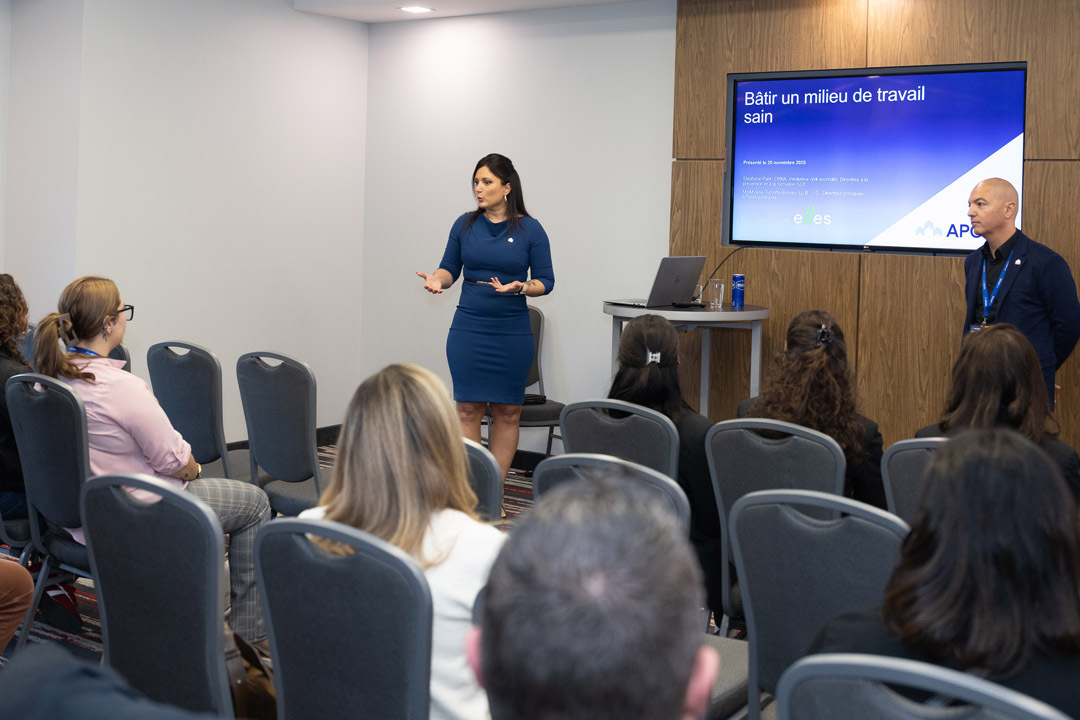
During a workshop titled ‘Building a Healthy Workplace,’ held at the APCHQ conference last November, experts painted a frank picture: despite new legal obligations, creating a safe and respectful work environment remains a major challenge for many companies. Between regulatory requirements and on-the-ground realities, employers still have much work to do to transform their organizational culture.
A marked increase in complaints
The numbers speak for themselves. In recent years, the media, including Le Journal de Montréal, have reported a steady increase in harassment complaints. Eighty-one percent of complaints come from women, but 19% involve men, reminding us that the issue affects everyone. Overall, 47% of women report having experienced harassment at work.
Adding to these issues is another too-often invisible challenge in the workplace: domestic and family violence. Since 2021, employers are required to implement prevention and support measures for affected employees. ‘Employers can no longer turn a blind eye,’ experts emphasize.
The introduction of Bill 42, driven by Minister Jean Boulet, has tightened the framework. ‘This is a cultural shift that must happen, both in offices and on construction sites. Our fundamental responsibility is to provide a healthy, safe workplace where no one fears coming to work,’” experts stress.
Many employers still don’t know that they have an obligation
‘In recent weeks, several employers have called me without knowing that they were required to have a prevention policy integrated into their program,’ notes Mylène Turcotte-Bureau, Senior Director of Legal Services and Litigation at the APCHQ. The conclusion is clear:
The modernization of Bill 27, in effect since October 1, 2025, now requires prevention measures covering:
- Psychological harassment,
- Sexual harassment,
- Domestic or family violence.
Although this legislative advancement represents an important step, much work remains to ensure full compliance. Sensitivity and support for clients are essential, as adapting to these new requirements can be a significant challenge for many employers.
On construction sites: a more nuanced environment than one might think
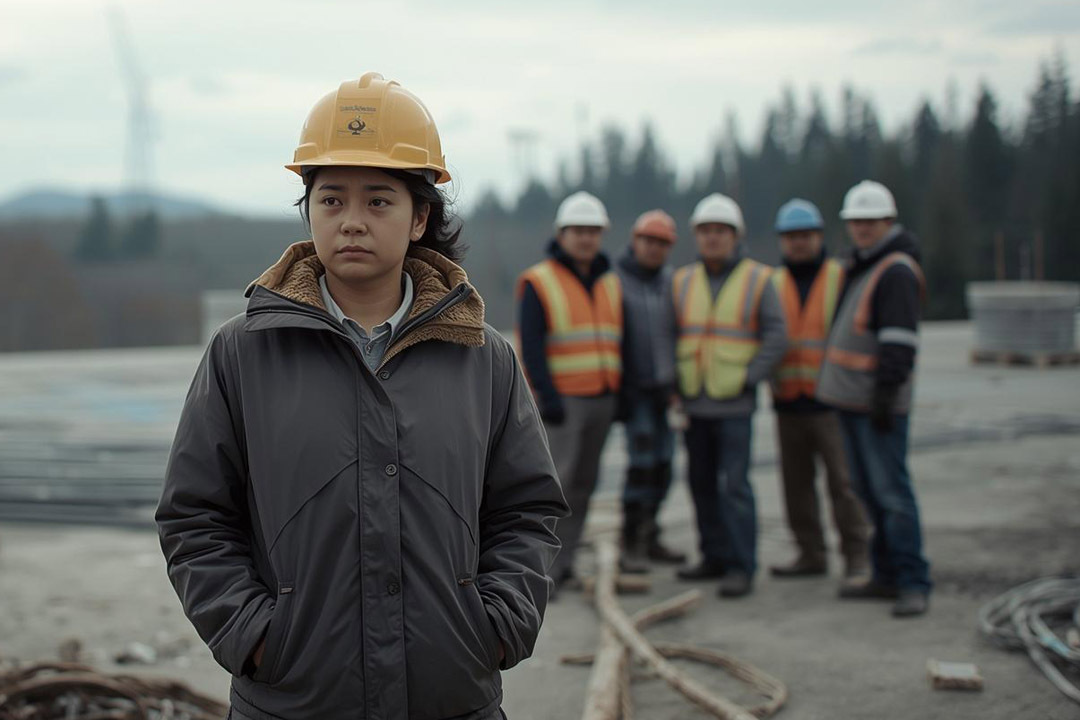
‘We often think that construction sites are rough environments, but that’s not the case everywhere. I work with young men, fathers, husbands, and I see a lot of kindness and openness. Yet, harassment situations still occur, especially when there is no clear policy or when it is poorly communicated,’ a participant in the room noted.
Contrary to common belief, sexual harassment is not limited to explicit acts. On construction sites, it can take many forms:
- Sexually suggestive comments or gestures,
- Suggestive posters or calendars in trailers,
- Isolation of an employee,
- Intimidation, mockery, excessive monitoring,
- Unwanted behaviors related to sex or sexual and gender diversity.
These behaviors create a toxic environment, leading to absenteeism, burnout, and decreased productivity.
Understanding conflict escalation
For Stéphane Paré, Director of Prevention at the APCHQ, conflicts often start long before acts of violence occur.
“It all begins with unexpressed dissatisfaction. It builds up, then rudeness appears, and sometimes it escalates into verbal or physical violence.”
Prevention relies on three essential steps:
- Identify risks
- Correct and prevent: provide training, raise awareness, implement clear policies
- Monitor and adjust: inspections, team meetings, regular follow-ups
The authorities’ message is clear: companies must adopt proactive leadership and intervene at the first signs of conflict.
“Worker safety, respect, and well-being are no longer optional. They are a legal obligation, but also a human and strategic investment.”
The path remains long, however. Awareness, training, cultural change: building a healthy workplace requires daily commitment. But the benefits are undeniable: increased productivity, reduced absenteeism, and stronger, more united teams.
Concrete tools developed by the APCHQ
The APCHQ offers a range of harassment prevention services that we invite you to explore:
- Pause-Sécurité video clips,
- Comprehensive toolkit,
- Policy templates,
- “Create a Healthy Workplace” training,
- Support and investigations, legal representation.
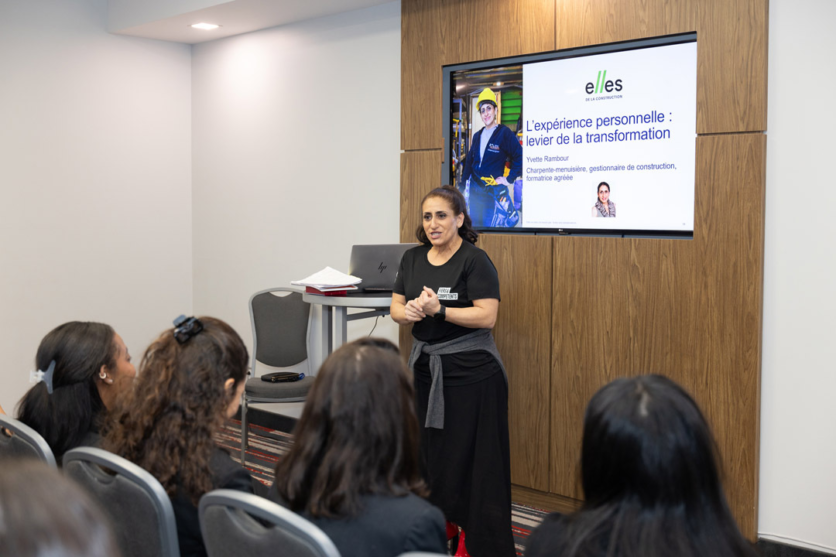
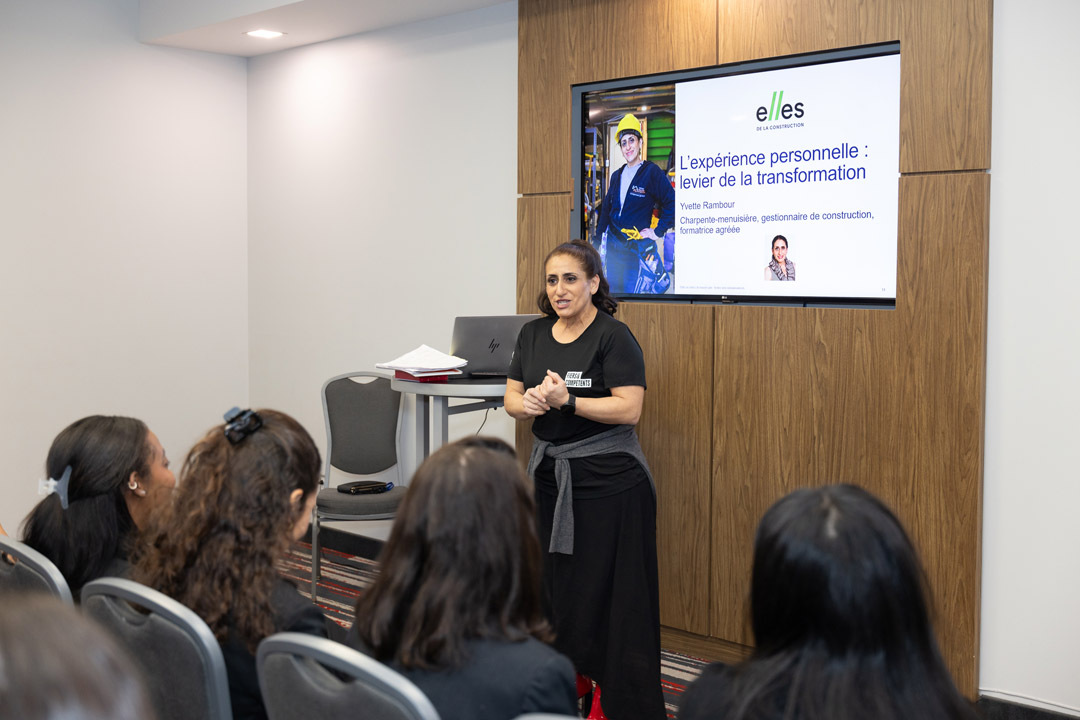
Complementing the legal aspect presented during the workshop, Yvette Rambour’s testimony put a human face on the issues discussed. As a manager and carpenter-joiner in a still largely male environment, she embodies the resilience and determination needed to carve out a place for herself. Her journey demonstrates that with a healthy and respectful workplace, female talent can not only thrive but also actively contribute to transforming the culture of the industry.